Impact Investing
How Do Impact Investors Know If They Are Having an Impact?
We talked with Jake Harris ’19, a principal at the impact investing firm DBL Partners, about the challenges of measuring the social and environmental returns on a financial investment.

‘Tough Tech’ Requires a Different Kind of Venture Capital
Engine Ventures, led by Katie Rae ’97, backs science-intensive innovation, including clean energy, quantum computing, and human health—an approach to venture capital defined by long timelines, deep expertise, and the potential for transformative impact.

Making Impact Investing Work for System Resilience—and Investor Profits
To confront interconnected environmental and social crises, impact investors will need to factor resilience-building into their expected returns, especially in the most vulnerable parts of the world.

Investors Care About ESG-Related News—When It Impacts Returns
A new paper co-authored by Professor Edward Watts examines how retail investors weigh news about a public company’s environmental, social, and governance activity.

Green Investing Could Push Polluters to Emit More Greenhouse Gases
One common approach to sustainable investing is to provide capital for companies with low carbon emissions and withhold it for high-emissions firms. Research co-authored by Yale SOM’s Kelly Shue shows this approach can backfire.
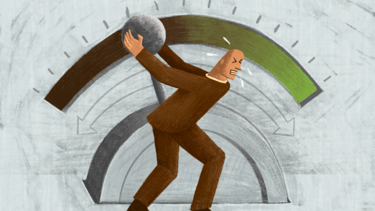
How the Tools of Impact Investing Can Undermine Resilience in the Global South
Impact investing advisor Clint Bartlett ’17 and Professor Todd Cort are working on innovative approaches in which businesses that create positive social outcomes get cheaper capital.

Will the Backlash from the Right Slow ESG Investing?
A string of Republican-led states have pulled funds from firms that use environmental, social, and governance criteria in making investments. We asked Yale SOM’s Todd Cort what the political backlash means for the future of ESG investing.

What Does It Take to Create Financial Products That Can Save the Planet?
Investors are increasingly eager to contribute to solutions for climate change and other environmental problems. Charlotte Kaiser ’07 of The Nature Conservancy’s NatureVest explains how the company builds financial products that attract mainstream capital while delivering conservation impacts.

How You Can Invest in Racial Justice
Yale SOM’s Teresa Chahine and a panel of experts discussed how businesses, financial firms, and regular investors can make choices that empower local businesses and increase opportunity.

Is Making an Impact the Path to Profit?
According to Prof. Henrietta Onwuegbuzie of Lagos Business School, entrepreneurs focused on solving problems and ongoing innovation grow their businesses faster, make more money—and have a bigger impact than any government or nonprofit.

Nancy Pfund ’82 on Tradeoffs in Impact Investing
Impact investor Nancy Pfund ’82 discusses the tradeoffs that inevitably occur when you try to put values into practice.


